Best Technology

Precision Cleaning, Passivation & Finishing Systems

Call Us612.392.2414
Contact an Expert
  • Equipment
    • Industrial Parts Washers
    • Ultrasonic Cleaning Systems
    • Vapor Degreasing Systems
    • Passivation Equipment
    • Electropolishing Equipment
    • Chem Film Equipment
    • Titanium Anodizing Systems
    • Mass Finishing Machines
    • Automation Systems
    • Wet Benches
    • Specialty & Custom Industrial Process Systems
  • Chemicals
    • Chemicals, Solvents & Fluids
    • BestSolv® Engineered Fluids
    • 3M™ Novec™ Replacement Fluids
    • 3M™ Novec™ Engineered Fluids, Chemicals, & Solvents
    • 3M™ Novec™ HFE Engineered Fluids and PFAS Phase Out
  • Industries
  • Articles
    • FAQ – Frequently Asked Questions
    • Ultrasonic Cleaning
      • How Do Ultrasonic Cleaners Work?
    • Passivation
      • What is Passivation?
    • Electropolishing
      • What is Electropolishing?
    • Surface Finishing
      • What is Alodine® / Chem Film / Chromate Conversion Coating?
      • What is Titanium Anodizing?
    • Industrial Parts Washers
    • Automation Systems
  • Case Studies
    • Industry Applications
    • Industrial Parts Washer Case Studies
    • Passivation Systems Case Studies
    • Part Cleaning Case Studies
    • Part Finishing Equipment Case Studies
    • Ultrasonic Cleaning Systems Case Studies
  • Testimonials
  • About Us
  • Contact Us
  • Equipment
    • Industrial Parts Washers
      • Products
        • Agitated Immersion Heated Parts Washer
        • Automatic Parts Washer System with Conveyor
        • Phosphating Lines
        • Automated Phosphate Lines for High-Volume Powder Coat Pre-Treatment
        • Oil Removal Systems
      • Case Studies
        • Pipe Washing Equipment
        • Designing a Phosphate Line for Today’s Process and Tomorrow’s Needs
        • Machine Shop Parts Washer for True Oil
        • Automotive Parts Washer System
    • Ultrasonic Cleaning Systems
      • Product Information
        • How Clean is Clean?
        • How Do Ultrasonic Cleaners Work?
        • What is an Azeotrope?
      • Products
        • Benchtop Ultrasonic Cleaner
        • Benchtop Ultrasonic Parts Cleaning Multi-Tank Systems
        • Ultrasonic Cleaning Consoles
        • Automated Ultrasonic Parts Cleaning Equipment Wash-Rinse-Dry
        • Automated Ultrasonic Cleaning System for High-Volume Production
        • Large Ultrasonic Parts Cleaner with Agitated Immersion
        • Immersible Ultrasonic Transducers
        • Vapor Degreasing Systems
        • Vapor Degreasers
      • Case Studies
        • Automated Pickling and Cleaning System Case Study
        • Automated Ultrasonic Injection Mold Cleaner System
        • 3D Printer / FDM Parts Post Process Ultrasonic Cleaning
        • Machine Shop Parts Washer for Swiss and CNC Precision Parts
        • Vapor Degreaser For Medical Device Instruments
    • Passivation Equipment
      • Product Information
        • What is Passivation? How Does It Work?
        • Nitric vs. Citric Acid Passivation
        • Passivation with Citric Acid
        • What Is Pickling of Stainless Steel? How Do Descaling, Pickling and Etching Work?
        • Passivation Cost Savings Calculator
      • Products
        • Benchtop Ultrasonic Passivation Equipment
        • Passivation Wet Bench for Citric / Nitric Acid
        • Ultrasonic Automated Passivation Equipment
        • Automated Passivation Systems for High-Volume Production
        • Agitated Immersion Multi-Tank Passivation Systems
        • Salt Fog and Humidity Test Chambers for Reliable Corrosion and Environmental Testing
      • Case Studies
        • Case Study: Bringing Citric Acid Passivation In-House for Stainless Steel Medical Device Parts
        • Automated Ultrasonic Passivation System for Medical Device Parts
        • Cleanroom Space Saving Automated Passivation System
        • Heated Polypropylene Acid Passivation and Rinse Tanks
        • Applicable Articles
    • Electropolishing Equipment
      • Product Information
        • What is Electropolishing? How Does Electropolishing Work?
        • Electropolishing Cycle and Current Calculator
        • Passivation vs. Electropolishing
      • Products
        • Tabletop Electropolishing Equipment & Electropolishing Machines
        • Electropolishing Wet Benches
        • Semi-Automated Electropolishing Systems for High-Volume Production
        • Large Scale Part Electropolishing Systems
      • Case Studies
        • EP System – Open Top Wet Bench with Spray Rinse
    • Surface Finishing Systems
      • Chem Film Equipment / Alodine Lines
        • Chem Film Equipment
        • What is Alodine / Chem Film / Chromate Conversion Coating?
        • Alodine Chem Film Tank Line
        • Ready to Set Up a Chem Film (Alodine) Line?
        • Automated Chem Film (Alodine) Systems
        • Hex Chrome Phase Out and Alternatives for Conversion Coating
        • Salt Fog and Humidity Test Chambers for Reliable Corrosion and Environmental Testing
      • Mass Finishing Machines
        • Centrifugal Barrel Finishing Machines
        • Vibratory Bowl Polishers
      • Titanium Anodizing
        • Titanium Anodizing Systems
        • What is Titanium Anodizing?
        • Titanium Anodizing Equipment
    • Automation Systems
      • Product Information
        • What Is Process Automation for Metal Finishing?
      • Products
        • Rail-Mounted Gantry Crane Automation
        • Automated Passivation Systems for High-Volume Production
        • Automated Ultrasonic Cleaning System for High-Volume Production
        • Automated Chem Film (Alodine) Systems
        • Semi-Automated Electropolishing Systems for High-Volume Production
        • Automated Phosphate Lines for High-Volume Powder Coat Pre-Treatment
        • Ultrasonic Automated Passivation Equipment
      • Case Studies
        • Automated Pickling and Cleaning System Case Study
        • Automated Passivation for High-Volume Production: Case Study
    • Wet Benches
      • Product Information
        • What is a Fume Hood? How Do Fume Hoods Work?
      • Products
        • Fume Hoods
        • Wet Bench for Semiconductor & FM4910 Applications
        • Wet Benches for Citric / Nitric Passivation of Stainless Steel and Titanium
        • Wet Benches for Electropolishing
        • Cascade Overflow Rinse Tanks
        • Quick Dump Rinse Tank
      • Case Studies
        • Semiconductor Chemical Processing Wet Bench and Fume Hood
    • Specialty & Custom Industrial Process Systems
      • Automated Chemical Neutralization Tank Cart
      • Salt Fog and Humidity Test Chambers
      • Vapor and Dryfilm PTFE Coating Systems
      • Heated Hot Air Parts Dryer
      • Solvent Recovery Equipment
    • Process Validation Templates
    • Equipment Financing
  • Chemicals, Solvents & Fluids
    • Chemicals, Solvents & Fluids from Best Technology
    • BestSolv® Engineered Fluids
    • Solvent Cleaning Fluids
      • Solvent Cleaning with BestSolv® Engineered Fluids
      • BestSolv® Alpha
      • BestSolv® Bravo
      • BestSolv® Delta
      • BestSolv® Echo
      • BestSolv® Lima
      • BestSolv® Omega: PFAS Free
      • BestSolv® Omega Plus: PFAS-Free
      • BestSolv® Sierra
      • BestSolv® Theta
      • BestSolv® Zeta: PFAS-Free
      • BestSolv® 5408: Boeing Spec BAC 5408 Qualified Cleaning Solvent
      • BestSolv® 7100
      • BestSolv® 7200
      • BestSolv® 7300
      • BestSolv® 71DE
      • BestSolv® 72DA
      • BestSolv® 72DE
      • BestSolv® 73DE
      • BestSolv® nPB: TCE Replacement
      • Latent Fingerprint Processing with BestSolv® Engineered Fluids
      • What Are Hydrofluoroether (HFE) Fluids?
      • Film Cleaning with BestSolv® 7200
      • Oxygen System and Oxygen Gauge Cleaning Solutions
      • Carrier Fluids for Precision Deposition, Wetting, and Material Transport
      • Choosing the Best Vapor Degreaser Solvent
    • Thermal Management / Heat Transfer Fluids
      • Thermal Management / Heat Transfer with BestSolv® Engineered Fluids
      • BestSolv® Zulu Immersion Cooling Fluid
      • BestSolv® Zulu MAG Magnesium Protection Fluid
      • BestSolv® Zulu FS Fire Suppression Fluid
      • BestSolv® 7100
      • BestSolv® 7200
      • BestSolv® 7300
      • BestSolv® 3283
      • BestSolv® 40
      • BestSolv® Fluids as Coolants for Specialized Machinery and Chiller Systems
      • Magnesium Cover Gas, Re-Engineered for Today
      • Gross Leak Testing for Hermetic Components and Critical Assemblies
    • PFAS-Free Next Generation
      • BestSolv® Omega: PFAS-Free
      • BestSolv® Omega Plus: PFAS-Free
      • BestSolv® Zeta: PFAS-Free
      • PFAS-Free Cleaning Solvents for Vapor Degreasing Applications
      • BestSolv® HFO / HCFO Solvents for Precision Cleaning
    • 3M™ Novec™ Replacements
      • 3M™ Novec™ Replacement Fluids
      • 3M™ Novec™ 7100 Replacements
      • 3M™ Novec™ 7200 Replacement
      • 3M™ Novec™ 7300 Replacement
      • 3M™ Novec™ 71DA Replacements
      • 3M™ Novec™ 71DE Replacement Options
      • 3M™ Novec™ 71IPA Replacements
      • 3M™ Novec™ 72DA Replacements
      • 3M™ Novec™ 72DE Replacements
      • 3M™ Novec™ 73DE Replacement
      • Running Out of 3M™ Novec™ Stock? How to Transition to Your BestSolv® Replacement Path
    • 3M™ Novec™ Engineered Fluids and Fluorinert™ Liquids
      • 3M™ Novec™ Engineered Fluids
      • 3M™ Novec™ HFE Engineered Fluids and PFAS Phase Out
      • 3M™ Novec™ Cleaning Solvents
        • Solvent Cleaning with 3M™ Novec™ Engineered Fluids
        • 3M™ Novec™ 7100
        • 3M™ Novec™ 7200
        • 3M™ Novec™ 7300
        • 3M™ Novec™ 71DA
        • 3M™ Novec™ 71DE
        • 3M™ Novec™ 71IPA
        • 3M™ Novec™ 72DA
        • 3M™ Novec™ 72DE
        • 3M™ Novec™ 73DE
      • 3M™ Fluorinert™ and 3M™ Novec™ Heat Transfer and Thermal Management Fluids
        • 3M™ Fluorinert™ Electronic Liquids for Thermal Management / Heat Transfer
        • 3M™ Novec™ 649
        • 3M™ Novec™ 7100
        • 3M™ Novec™ 7200
        • 3M™ Novec™ 7300
    • Solvent Phase Outs
      • 3M™ Novec™ HFE Engineered Fluids and PFAS Phase Out
      • nPB Replacement
      • TCE Replacement
      • Methylene Chloride Replacement
    • Aqueous Cleaning
      • Aqueous Cleaning Solutions: Alkaline Cleaners
      • How Clean is Clean?
    • Surface Finishing Chemicals
      • CitriSurf Passivation Chemistry for Citric Acid Passivation
      • Electropolishing Solutions: Electrolyte Chemicals
      • Conversion Coating Chemistry
      • Hex Chrome Phase Out and Alternatives for Conversion Coating
  • Industries
  • Customer Testimonials
  • About Us
  • Contact Us
Contact an Expert
home Best Technology / BestSolv® Engineered Fluids / BestSolv® Omega Plus: PFAS-Free Precision Cleaning Solvent for Flux and Polar Contaminants

BestSolv® Omega Plus: PFAS-Free Precision Cleaning Solvent for Flux and Polar Contaminants

BestSolv® Omega Plus is a next-generation, PFAS-free HFO precision cleaning and degreasing solvent formulated for demanding industrial cleaning applications. The azeotrope-like solvent blend combines 1,2-trans-dichloroethylene, proprietary fluorinated compounds, and isopropanol (IPA) to provide broad-spectrum cleaning performance for both traditional industrial soils and more difficult polar contaminants.
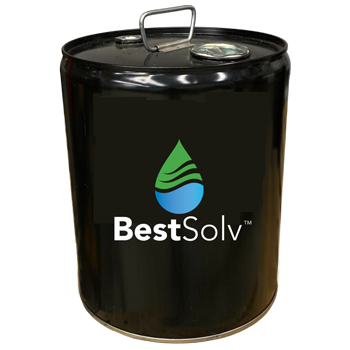
BestSolv Omega Plus- PFAS-Free Novec Replacement

The addition of IPA is a key difference between BestSolv® Omega Plus and BestSolv® Omega. The alcohol component improves the solvent’s ability to dissolve and remove polar and ionic contamination, making Omega Plus particularly useful for cleaning flux, soldering residues and light finger oils in electronics and semiconductor manufacturing.

BestSolv® Omega Plus is suitable for vapor degreasing and precision cleaning, as well as general industrial cleaning, cold wipe cleaning, and other processes requiring a fast-evaporating, residue-free solvent.

Following the phaseout of 3M™ Novec™ engineered fluids, Omega Plus provides manufacturers with a next-generation PFAS-free option for applications previously served by legacy fluorinated cleaning solvents. Its IPA-containing formulation can be particularly relevant for processes historically using alcohol-containing solvent blends such as 3M™ Novec™ 72DA.

For applications requiring an exact-molecule alternative to 3M™ Novec™ 72DA rather than a next-generation PFAS-free formulation, Best Technology also offers BestSolv® 72DA.

Benefits of BestSolv® Omega Plus

  • PFAS-free next-generation precision cleaning solvent
  • Formulated without HFCs or HFEs
  • Contains IPA to improve cleaning of polar and ionic contaminants
  • Near-azeotropic formulation to ensure vapor degreaser process stability.
  • Well suited for flux and solder residue removal
  • Designed for vapor degreasing and precision cleaning applications
  • Broad-spectrum solvency for flux, oils, greases, waxes, and other industrial contaminants
  • High solvency with a Kauri-Butanol (KB) value of 111
  • Low surface tension
  • Low viscosity
  • Zero surface residue
  • No flash point
  • Not classified as flammable by OSHA or DOT
  • Low global warming potential, GWP <1
  • Low to zero ozone depletion potential
  • Compatible with common metals, most alloys, and selected polymers and elastomers in vapor degreasing applications
  • Suitable for electronics, semiconductor, aerospace, military, optical, and medical device manufacturing applications

Data Sheets

TypePDF

Safety Data Sheet

PDF

Technical Data Sheet

PDF

"*" indicates required fields

Receive access to BestSolv® data documents.

Submit the form and we’ll email you a secure link for immediate access to Safety Data Sheets.

Name*

PFAS-Free Next-Generation Cleaning Chemistry

BestSolv® Omega Plus is formulated as a PFAS-free HFO precision cleaning solvent for manufacturers seeking alternatives to legacy HFE and other fluorinated cleaning chemistries.

The formulation is designed without HFCs or HFEs and has a low global warming potential of less than 1, along with low to zero ozone depletion potential. Omega Plus is also a SNAP EPA accepted substitute for ozone-depleting substances and is not classified as a hazardous air pollutant under NESHAP.

For additional information about next-generation solvent chemistry and PFAS-free alternatives, see:

PFAS-Free Cleaning Solvents for Vapor Degreasing Applications

HFO / HCFO Solvents for Precision Cleaning

Common Applications

BestSolv® Omega Plus is designed for industrial precision cleaning applications where the contaminant profile includes polar or ionic contamination in addition to conventional oils and greases. Its IPA component can help improve removal of certain residues that may be more difficult to clean with solvent formulations focused primarily on nonpolar contaminants.

Flux and Electronics Cleaning

pcb flux cleaning

BestSolv® Omega Plus may be a useful option for certain flux-cleaning applications, particularly where polar or ionic residues are present. Flux residues left after soldering can contain a combination of rosin, organic materials, salts, activators, and other contaminants that vary significantly from one flux formulation to another.

The IPA component in Omega Plus can help improve the removal of certain polar and ionic contaminants. However, cleaning performance depends on the specific flux chemistry, substrate, and process conditions, and some flux residues may remain difficult to remove even with Omega Plus.

Examples of contaminants and applications that may be evaluated with Omega Plus include:

  • Rosin solder flux residue
  • Other soldering and flux residues
  • Printed circuit boards (PCBs)
  • Electronics assemblies and components
  • Semiconductor components
  • Organic salts associated with flux
  • Ionic or chemical salts
  • Plating-related residues
  • Fingerprint salts
  • Some surfactant residues

Flux chemistry varies considerably. Rosin, non-rosin, and “no-clean” fluxes can respond differently to the same cleaning chemistry. Even no-clean flux may sometimes need to be removed, depending on the cleanliness requirements of the application.

For this reason, Omega Plus should not be assumed to remove every type of flux or residue. Application testing with the actual contaminant, substrate, and cleaning process is recommended to determine whether the solvent provides the required cleaning performance.

Industrial Precision Cleaning

industrial vapor cleaning

Omega Plus also provides broad-spectrum cleaning capability for a range of industrial contaminants, including:

  • Cutting oils
  • Stamping oils
  • Hydraulic oils
  • Mineral oils
  • Vacuum oils
  • Heavy greases
  • Gear oils
  • Waxes
  • Refrigerant oils
  • Rinsing and drying applications

It can be used in vapor degreasing, general industrial cleaning, cold wipe cleaning, carrier solvent applications, and other precision cleaning processes.

Industries Served

BestSolv® Omega Plus is applicable to precision cleaning processes in industries including:

  • Electronics
  • Semiconductor
  • Aerospace
  • Military and defense
  • Optical manufacturing
  • Medical device manufacturing

PFAS-Free Option for Applications Historically Served by 3M™ Novec™ 72DA

BestSolv® Omega Plus can be evaluated as a PFAS-free alternative for cleaning applications historically served by alcohol-containing solvents such as 3M™ Novec™ 72DA. Like 72DA, Omega Plus includes an alcohol component that can help with polar contamination, including certain flux and ionic residues.

medical instruments cleaning

This connection is relevant beyond electronics and flux cleaning. 3M™ Novec™ 72DA was also used in medical device precision cleaning applications, making Omega Plus an option to consider for manufacturers transitioning away from legacy PFAS-containing cleaning fluids. As with other precision cleaning applications, testing with the actual contaminant, substrate, and process conditions is recommended before implementation.

Flux Cleaning Requires the Right Chemistry and Process

Solvent chemistry is only one part of successful flux removal. Some fluxes can contain wax-like or high-molecular-weight components that become easier to remove when heated. Cleaning performance can also be affected by solvent exposure time, vapor zone conditions, part geometry, contamination loading, and the material being cleaned.

Best Technology recommends application testing using representative parts and actual contaminants before implementing Omega Plus in a production process.

This approach helps verify both cleaning performance and material compatibility while allowing process conditions to be optimized for the specific application.

BestSolv® Omega vs. BestSolv® Omega Plus

BestSolv® Omega and BestSolv® Omega Plus are related PFAS-free precision cleaning solvents, but Omega Plus should not be viewed simply as a stronger version of Omega.

The appropriate fluid depends on the contaminant being removed.

ConsiderationBestSolv® OmegaBestSolv® Omega Plus
Primary formulation differenceNo added IPA/alcohol componentContains isopropanol (IPA)
IPA contentNone1-5% by weight
Primary contaminant profileParticularly useful for nonpolar contaminants such as machining oils, oils, and greaseParticularly useful where polar or ionic contamination is present
Flux residue cleaningMay work for some applications depending on flux chemistryFormulated to provide improved cleaning of flux and other polar residues
Oils and greasesYesYes
PFAS-freeYesYes
Boiling pointApproximately 45.5°C / 114°F45.1°C / 113.2°F
Flash pointNoneNone
Vapor degreasingYesYes
Precision cleaningYesYes

Choosing Between Omega and Omega Plus

For processes dominated by machining oils, greases, and other primarily nonpolar soils, BestSolv® Omega may be the more appropriate starting point.

When the contaminant includes significant polar or ionic material, particularly solder flux, organic salts, plating residues, or similar contamination, the IPA-containing Omega Plus formulation may provide better cleaning performance.

Neither solvent should be considered universally better than the other. The correct selection depends on the contaminant, substrate, equipment, and process conditions.

BestSolv® Omega Plus Physical and Chemical Properties

PropertyBestSolv® Omega Plus
Boiling Point45.1°C / 113.18°F
Kauri-Butanol (KB) Value111
Specific Gravity1.271 g/mL @ 25°C
AppearanceClear & Bright
Vapor Flammability in AirLower Limit: 9.7% / Upper Limit: 12.8%*
Heat Capacity0.270 cal/g @ 20°C
Flash Point, Closed/Open CupNone
VOC Content1271 g/L
Global Warming Potential<1
Ozone Depletion PotentialLow / Zero

*Vapor flammability limits are based on 1,2-trans-dichloroethylene.

Data is compiled from the BestSolv® Omega Plus Technical Data Sheet and is not intended for specification purposes. Refer to the current TDS and SDS for complete technical, safety, handling, and regulatory information.

Materials Compatibility

BestSolv® Omega Plus is compatible with common metals, most alloys, and some polymers and elastomers.

Because material compatibility can vary based on substrate, contaminant, exposure time, temperature, and cleaning process, initial compatibility testing should be performed using non-production parts before full implementation.

Best Technology can assist with application evaluation and compatibility testing for specific cleaning requirements.

BestSolv® Omega Plus Packaging

BestSolv® Omega Plus is available in the following container sizes:

Product #SKUContainer Size
BestSolv® Omega Plus-552615135715555 gal. container
BestSolv® Omega Plus-05261513571055 gal. container

BestSolv® HFO Price and Ordering

For purposes of product stewardship, Best Solv™ HFO Engineered Fluids cannot be sold directly online.

Please contact our chemical sales department for a quote by clicking the “Get a Quote” button, or call 612-392-2414, ext. 2.


Get a Quote

Trusted By Thousands of Customers Since 1992

FAQs

  • How do I convert my vapor degreaser to a new solvent?

    As the clock runs out on the 3M™ Novec™ phaseout, many manufacturers are wondering how to switch their vapor degreasers to a 3M™ Novec™ replacement solvent such as BestSolv® Engineered Fluids.

    Here are the steps to use when converting your vapor degreaser to a new solvent.

    Remove Old Solvent

    Completely remove the old solvent from the vapor degreaser before adding the new solvent. Any residual old solvent left in the lines may be flushed with the new solvent. Do NOT use water to clean the vapor degreaser or flush the lines. If residual old solvent remains or has turned acid previously, neutralize the degreaser and all surfaces.

    Add New Solvent

    Review the Safety Data Sheet for the new solvent prior to first use. As always when handling solvents, use appropriate protective equipment as mentioned in the Safety Data Sheet. Since most solvents are designed to evaporate quickly, be careful not to leave the solvent container open any longer than necessary.

    Identify Boiling Point of New Solvent

    The boiling point on your new solvent may be different from that of the old solvent. Vapor degreaser settings are based on the boiling point of the solvent used, and should be adjusted when a new solvent is used in the degreaser.

    Use the Safety Data Sheet, Technical Data Sheet, or other publicly available source to identify the boiling point of the new solvent. For BestSolv® Engineered Fluids, you can find this information through our Technical Data Sheets page.

    Adjust Vapor Degreaser Settings

    Use the new solvent’s boiling point as a reference for changing the following settings on your vapor degreaser:

    Vapor Degreaser Setting Set Point
    Liquid Temperature Control (LTC) Boiling Point plus 7-10 °F
    High Temperature Control (HTC) Boiling Point plus 10-15 °F
    Solvent Vapor Control (SVC) Boiling Point minus 10 °F
    Vapor Up Control (TH-1) Boiling Point minus 10 °F

    For example, a solvent with a boiling point of 165 °F would have a Vapor Up Control (TH-1) set point of 155 °F (165 – 10 = 155).

    That’s it! Your vapor degreaser is ready to return to precision cleaning with your new solvent.

    NOTE: Vapor degreaser controls differ by manufacturer. Some may not contain all of the settings described.

    For further information about vapor degreaser settings, see the reference section below.

    Vapor Degreaser Settings Reference

    • Liquid Temperature Control (LTC): Set 7-10 °F above the boiling point of the solvent being used. A 10 °F rise in the boiling point indicates that the boiling sump has accumulated the equivalent oil solution of approximately 30% by weight, along with any other contaminants. Boil down and addition of fresh solvent is recommended.
    • High Temperature Control (HTC): Set 10-15 °F above the boiling point of the solvent being used. A 10 °F rise in the boiling point indicates that the boiling sump has accumulated the equivalent oil solution of approximately 30% by weight, along with any other contaminants. Continued operation may be hazardous.
    • Low Level Control (LLC): A safety to turn the heat off if the liquid level falls below a safe level.
    • Refrigeration Control (RT): Regulates the temperature of the cooling coils. Typically set at 45-50 °F. It is not necessary to change this setting when changing solvents.
    • Solvent Vapor Control (SVC): Turns off the heat in the event of high vapor level and must be set at 10 °F below the boiling point of the solvent being used.
    • Vapor Up Control (TH-1): Turns on an indicator light when the solvent vapors are up to proper level on the cooling coils. This indicates the equipment is ready to operate. It also inhibits the spray pump(s) when the vapor line is below the normal operating level. The proper temperature setting is 10 °F below the boiling point of the solvent being used.
  • What are PFAS chemicals?

    PFAS chemicals, or per- and polyfluoroalkyl substances, are a group of man-made chemicals characterized by a chain of carbon atoms bonded to fluorine atoms. These substances can be highly persistent in the environment, and some do not break down easily, earning them the nickname “forever chemicals.” Not all chemicals that are now classified as PFAS chemicals remain in the environment for a long time. The newer generations do break down.

    PFAS chemicals have been widely used since the 1940s, and are valued for their ability to repel water and oil. PFAS chemicals are essential for the production of many products that are significant to modern society, such as semiconductors, mobile devices and aircraft.

    For a more in-depth scientific definition of PFAS chemicals, see our page What are PFAS Chemicals? Per- and Polyfluoroalkyl Substances Defined.
  • What is an azeotrope?

    An azeotrope is a mixture of two or more liquids that maintains a constant boiling point and composition throughout the distillation process. This means the proportion of each chemical remains constant, regardless of temperature changes. An azeotropic mixture behaves as a single substance, making it invaluable in various industrial applications.

    If you are asking what is an azeotrope, the simplest way to understand it is this: instead of separating into different components as it boils, the mixture stays stable and evaporates as though it were one fluid. That stability is what makes azeotropes especially useful in processes where consistent performance matters.

    Understanding what is an azeotrope is particularly important in vapor degreasing and precision cleaning. Because the mixture remains uniform during use and recovery, it helps maintain cleaning consistency over time. This can support more predictable results, reduce process variation, and improve solvent management in demanding manufacturing environments.

    Another reason what is an azeotrope matters is that azeotropic formulations are often designed to combine the strengths of different components while minimizing some of their individual limitations. In practical terms, that can mean better cleaning performance, more stable operation, and more efficient reuse through distillation.

    So, what is an azeotrope in an industrial setting? It is a specially balanced solvent mixture that delivers stable composition and consistent behavior during boiling and reuse, which is exactly why it is so important in applications like vapor degreasing.

    For more information on why azeotropes matter for vapor degreasing, see our page What is an Azeotrope and Why is it Important for Vapor Degreasing?

  • What solvent options are available as replacements for banned or discontinued chemistries like 3M™ Novec™ or methylene chloride?

    Manufacturers replacing 3M™ Novec™ or methylene chloride have three main options:

    • Drop-in replacements – Engineered fluids that are molecularly identical to Novec™ solvents, allowing processes to continue with little or no revalidation.
    • Similar molecule blends – Use a different molecule than 3M™ Novec™ but offer similar properties, at a lower price point.
    • PFAS-free alternatives – New solvent formulations that provide strong cleaning performance while meeting the strictest regulatory standards domestically and worldwide.

    BestSolv® Engineered Fluids cover each of these categories, helping manufacturers maintain continuity today while preparing for long-term compliance.

    Our role goes beyond supplying solvent choices. We guide you through revalidation and material compatibility so you can move forward with confidence. We know how critical process continuity is in mission-driven industries, and we are committed to being a trusted technical partner in your transition.

  • Which vapor degreasing solvents are suitable for plastics, elastomers, and sensitive materials?

    While vapor degreasing solvents are compatible with metals, plastics and elastomers can react differently. Some may show changes such as surface stress, brittleness, or swelling, depending on the material. Because performance varies, it’s best to test any new solvent with your specific plastics and elastomers to confirm compatibility. Reach out today to one of our Chemical Team members for detailed compatibility information.

  • What are the safety and regulatory considerations for using vapor degreasing solvents today?

    Safety and compliance are top priorities when selecting a vapor degreasing solvent. Here are the key considerations:

    • Worker Safety: Some legacy solvents, such as methylene chloride and trichloroethylene (TCE), carry significant health hazards and are subject to strict workplace exposure limits. Modern options like BestSolv® Engineered Fluids are nonflammable and designed with lower toxicity profiles to help reduce operator risk.
    • Environmental Regulations: With ongoing updates to EPA and EU REACH standards, including measures to reduce high-GWP and PFAS-containing solvents, the need for compliant alternatives grows. BestSolv® fluids, including PFAS-free options, are formulated to align with these evolving regulations while maintaining strong cleaning performance.
    • Process Compliance: Aerospace, medical device, and electronics industries require solvents that can pass audits and validation testing. BestSolv® fluids support validated processes.
    • Sustainability & Emissions Control: Modern degreasing fluids and solvents are designed for closed-loop recovery systems, minimizing emissions and solvent loss, which reduces both environmental impact and operating costs.

    For detailed information on handling, exposure limits, and other safety measures for BestSolv® fluids, please refer to the Safety Data Sheet (SDS) for each fluid.

  • How do I choose the right vapor degreasing solvent for long-term supply?

    Selecting a solvent is not just about performance today—it’s about ensuring reliability and supply continuity for years to come. Here are the key factors to consider:

    • Supply Chain Stability: Many companies single-sourced their legacy 3M™ Novec™ fluids, creating major vulnerabilities when supply ended. BestSolv® fluids are dual-sourced, giving manufacturers consistent, reliable access to the solvents they need without the risk of disruption. 

    • Validation Requirements: Aerospace, medical device, and electronics industries demand extensive revalidation when switching chemistries. BestSolv® offers exact molecular replacements (minimizing requalification), as well as cost-effective similar molecule fluids and PFAS-free fluid options as sustainable alternatives. 

    • Performance & Compatibility: The right solvent must deliver effective cleaning, material compatibility, and process efficiency. Our team partners with you to review your soils, materials, and equipment, helping ensure your solvent choice is well-suited for both current and future needs.

    At Best Technology, we help you look beyond the immediate change to make a solvent choice that protects your operations and delivers confidence in the long term.

  • My vapor degreasing solvent looks cloudy or discolored. Is it going acidic?

    BestSolv® Engineered Fluids do not turn acidic on their own because they contain no water. If your solvent appears cloudy, discolored, or shows unusual behavior, it usually indicates that water or contaminants, such as particulates or metal shavings, are entering the vapor degreaser from an external source.

    • Test the pH of the solvent

    • Common Contamination Intrusion:
      • Water-based oils or fluids
      • Coil condensation Temperature
      • Cooling system leaks
      • Water Separator Issues
      • Metal particulate build-up in the tank

    If your vapor degreaser becomes acidic, address it promptly to prevent corrosion of joints, welds, and other components.

    At Best Technology, we help customers troubleshoot issues like this to maintain solvent integrity, process reliability, and audit readiness. If you suspect contamination, our team can walk you through step-by-step checks or recommend further testing to keep your system running safely and efficiently.

  • Are stabilizers required to be added to BestSolv® solvents?

    No, stabilizers are not required with BestSolv® Engineered Fluids. This is one of their advantages over older solvents such as trichloroethylene (TCE), which often needed stabilizer boosters to prevent acid breakdown.

    BestSolv® Engineered Fluids are chemically stable, nonflammable, and water-free. Because they do not absorb or attract water, they resist acid formation under normal operating conditions.

    By maintaining equipment properly and keeping water out of the system, BestSolv® solvents remain stable and effective without the need for stabilizer additives.

    At Best Technology, our goal is to help customers achieve safe, reliable, and low-maintenance vapor degreasing. If you ever suspect solvent instability, our team can walk you through a step-by-step check to confirm and correct the root cause.

  • How do I validate cleanliness when using vapor degreasing solvents?

    Cleanliness validation is essential in industries where performance and safety depend on residue-free parts. Here are the most common methods:

    • Gravimetric Testing: Weighing parts before and after cleaning to measure the total nonvolatile residue (NVR) left behind.
    • FTIR Analysis: Using infrared spectroscopy to detect organic residues at trace levels.
    • Water Break Test: Ensuring no hydrophobic films remain by checking how water sheets or beads on a surface.
    • Dyne Testing: Measuring surface energy to confirm readiness for coatings, adhesives, or bonding.
    • SIR (Surface Insulation Resistance): Common in electronics to confirm that no ionic residues remain that could lead to conductivity issues.

    BestSolv® Engineered Fluids are designed for high solvency and fast drying, making them ideal for meeting these validation standards.

    At Best Technology, we don’t just supply the solvent — we work with you to ensure your parts consistently meet the standards required for aerospace, medical device, and electronics manufacturing.

  • How do I improve drying and solvent removal from parts with blind holes, threads, and capillaries in vapor degreasing?

    Complex part geometries can trap solvent, leading to spotting, residues, or longer cycle times. To improve drying and ensure parts are ready for use, consider these adjustments:

    • Part Orientation: Angle parts to encourage solvent drainage from blind holes, threads, or capillaries. Vertical orientation often allows vapors and condensate to escape more efficiently.
    • Basket & Fixture Design: Use open, perforated fixtures that allow free vapor circulation. Avoid designs that trap liquid in pockets or shield vapor flow.
    • Withdrawal Speed: Raise parts slowly through the vapor zone so condensation has time to evaporate, minimizing solvent retention and spotting.
    • Ultrasonics & Agitation: Gentle ultrasonics or controlled agitation help release solvent and contaminants from intricate features.
    • Secondary Drying Aids: Warm nitrogen blow-off, vacuum drying, or extended dwell time above the vapor line can be used for especially challenging geometries.

    BestSolv® Engineered Fluids are formulated with low surface tension and high volatility, allowing them to wick into—and then quickly evaporate from—tight spaces.

    At Best Technology, we work with you to evaluate part design and solvent choice so your process delivers clean, dry, and validation-ready parts, even for the most complex assemblies.

  • How can I reduce solvent loss and emissions in a vapor degreasing system?

    Minimizing solvent consumption lowers operating costs and reduces environmental impact. Key strategies include:

    • Modern Equipment Design: New vapor degreasers use secondary cooling coils, freeboard extensions, and sliding covers to capture vapors and cut solvent loss.

    • Closed-Loop Recovery: Many systems are engineered for continuous solvent distillation and recycling, reducing waste and keeping emissions low.

    • Optimized Loading Practices: Proper basket design and avoiding fast motion of parts when transferring loads reduces drag-out and improves efficiency.

    • Reduce or Eliminate Air Flows: Air movement such as HVAC returns, draft hoods and air vents can act like a chimney, pulling solvent vapors out of the degreaser.

    • Maintenance & Monitoring: Regular checks of seals and gaskets help maintain efficiency and extend fluid life.

    To learn more about reducing solvent loss, see our page How to Minimize Solvent Losses from Vapor Degreasers.

    At Best Technology, we not only supply fluids but also help you optimize equipment, processes, and solvent choice to achieve the lowest possible emissions without sacrificing cleaning performance.

  • Why is a single-isomer HFE better for the environment than a dual-isomer HFE?

    The environmental advantage of a single-isomer hydrofluoroether (HFE) comes primarily from how it is manufactured, not simply from having one isomer instead of two.

    Legacy dual-isomer HFE fluids such as 3M™ Novec™ 7100 and 7200 were produced using electrochemical fluorination (ECF), a process associated with the generation of long-chain per- and polyfluoroalkyl substance (PFAS) byproducts such as perfluorooctanesulfonic acid (PFOS) and perfluorooctanoic acid (PFOA). These long-chain compounds are targeted by global regulation as persistent organic pollutants.

    BestSolv® single-isomer HFE fluids are produced using a targeted catalytic synthesis that avoids the generation of these long-chain PFAS manufacturing byproducts. The process also produces a high-purity single isomer, improving lot-to-lot chemical consistency while maintaining the physical properties needed for many legacy HFE applications.

    This makes single-isomer HFE technology a more controlled manufacturing approach that can provide both greater chemical consistency and reduced generation of undesirable long-chain PFAS byproducts.

No questions matching current filter

Articles

BestSolv Novec Replacements

Running Out of 3M™ Novec™ Stock? How to Transition to Your BestSolv® Replacement Path

Don’t let running out of 3M™ Novec™ stock become a concern. As 3M™ Novec™ Engineered Fluids moved toward discontinuation, manufacturers took different approaches to maintaining process continuity. Some transitioned to alternative fluids, while others secured additional inventory and continued operating with the chemistry already qualified in their process. If your operation is still using remaining […]

Read More

Hydrofluoroether (HFE) Fluids

What Are Hydrofluoroether (HFE) Fluids?

Hydrofluoroether (HFE) fluids are specialty fluorinated liquids used in precision cleaning, vapor degreasing, heat transfer, electronics, carrier-fluid applications, and other industrial processes where properties such as non-flammability, low surface tension, dielectric performance, and material compatibility can be important. You may also see them described as HFE solvents, hydrofluoroether solvents, HFE solutions, or simply HFE fluids. […]

Read More

vapor degreaser

PFAS-Free Cleaning Solvents for Vapor Degreasing Applications

PFAS regulations, customer requirements, sustainability initiatives, and supply-chain changes are leading manufacturers to review the chemicals used in their production processes. For companies operating vapor degreasers, this may include evaluating whether a PFAS-free cleaning solvent can meet both current cleaning requirements and longer-term business needs. Choosing a PFAS-free solvent is not simply a matter of […]

Read More

chiller system applications

BestSolv® Fluids as Coolants for Specialized Machinery and Chiller Systems

Specialized chiller systems are used when equipment, electronics, or industrial processes need precise temperature control. In these systems, the selection of coolant fluids for chillers is crucial, as the coolant is not just a fluid that moves heat. It becomes part of the system’s performance, safety, and reliability. Standard coolants such as water, glycol, or […]

Read More

carrier fluid silicone

Carrier Fluids for Precision Deposition, Wetting, and Material Transport

Carrier fluids are used in applications where a lubricant, silicone, coating, additive, or active chemistry must be delivered evenly across a surface. Their role is to temporarily carry, thin, or transport another material so it can spread, penetrate, or deposit more effectively before the carrier evaporates. Best Technology offers BestSolv® Engineered Fluids for carrier fluid […]

Read More

Gross Leak Testing electronics

Gross Leak Testing for Hermetic Components and Critical Assemblies

Gross leak testing is a critical step in verifying the integrity of sealed components and assemblies used in high-reliability applications. In aerospace, defense, medical device, automotive, electronics, and other precision manufacturing environments, even a small seal failure can lead to moisture ingress, fluid intrusion, corrosion, contamination, pressure loss, or premature system failure. Using fluorocarbon or […]

Read More

magnesium cover gas for magnesium casting operations

Magnesium Cover Gas, Re-Engineered for Today

Why Leading Casters Are Moving to BestSolv® Zulu MAG Magnesium casting requires dependable melt protection. For years, manufacturers had to rely on sulfur hexafluoride (SF₆) and sulfur dioxide (SO₂), despite their significant environmental impact and regulatory pressure. BestSolv® Zulu MAG (FK-5-1-12) is the way forward. Chemically identical to the discontinued 3M™ Novec™ 612, it delivers […]

Read More

Videos

YouTube player
subscribeSubscribe to Best Technology's YouTube channel
«
Prev
1
/
2
Next
»
loading
play
3M™ Novec™ Is Gone — BestSolv® Keeps Your Process Running
play
What’s the Best Methylene Chloride Replacement? Try BestSolv® Bravo Solvent
play
Transitioning from 3M Fluids: Guidance from our Novec Experts for Adopting BestSolv Fluid Technology
play
Webinar: 3M Fluids Discontinuation Update - Securing Your Supply for the Future
play
Replacing 3M™ Novec™: 3 Requirements for a Successful Replacement
play
Why To Replace 3M™ Novec™ Fluids and Not Equipment (For Now)
«
Prev
1
/
2
Next
»
loading
  • BestSolv® Engineered Fluids: 3M™ Novec™ Replacement
    • BestSolv® Engineered Fluids
    • Solvent Cleaning with BestSolv® Engineered Fluids
      • BestSolv® Alpha
      • BestSolv® Bravo
      • BestSolv® Delta
      • BestSolv® Echo
      • BestSolv® Lima
      • BestSolv® Omega: PFAS-Free
      • BestSolv® Omega Plus: PFAS-Free
      • BestSolv® Sierra
      • BestSolv® Theta
      • BestSolv® Zeta: PFAS-Free
      • BestSolv® 5408: Boeing Spec BAC 5408 Qualified Cleaning Solvent
      • BestSolv® 7100
      • BestSolv® 7200
      • BestSolv® 7300
      • BestSolv® 71DA
      • BestSolv® 71DE
      • BestSolv® 71IPA
      • BestSolv® 72DA
      • BestSolv® 72DE
      • BestSolv® 73DE
      • BestSolv® nPB: TCE Replacement
      • Latent Fingerprint Processing with BestSolv® Engineered Fluids
      • What Are Hydrofluoroether (HFE) Fluids?
      • Film Cleaning with BestSolv® 7200
      • Oxygen System and Oxygen Gauge Cleaning Solutions
      • Carrier Fluids for Precision Deposition, Wetting, and Material Transport
      • Choosing the Best Vapor Degreaser Solvent
    • Thermal Management / Heat Transfer with BestSolv® Engineered Fluids
      • BestSolv® Zulu Immersion Cooling Fluid
      • BestSolv® Zulu MAG Magnesium Protection Fluid
      • BestSolv® Zulu FS Fire Suppression Fluid
      • BestSolv® 7100
      • BestSolv® 7200
      • BestSolv® 7300
      • BestSolv® 3283
      • BestSolv® 40
      • BestSolv® Fluids as Coolants for Specialized Machinery and Chiller Systems
      • Magnesium Cover Gas, Re-Engineered for Today
      • Gross Leak Testing for Hermetic Components and Critical Assemblies
  • PFAS-Free Next Generation
    • BestSolv® Omega: PFAS Free
    • BestSolv® Omega Plus: PFAS-Free
    • BestSolv® Zeta: PFAS-Free
    • PFAS-Free Cleaning Solvents for Vapor Degreasing Applications
    • BestSolv® HFO / HCFO Solvents for Precision Cleaning
  • 3M™ Novec™ Replacements
    • 3M™ Novec™ Replacement Fluids
      • 3M™ Novec™ 7100 Replacements
      • 3M™ Novec™ 7200 Replacement
      • 3M™ Novec™ 7300 Replacement
      • 3M™ Novec™ 71DA Replacements
      • 3M™ Novec™ 71DE Replacement Options
      • 3M™ Novec™ 71IPA Replacements
      • 3M™ Novec™ 72DA Replacements
      • 3M™ Novec™ 72DE Replacements
      • 3M™ Novec™ 73DE Replacement
      • Running Out of 3M™ Novec™ Stock? How to Transition to Your BestSolv® Replacement Path
  • 3M™ Novec™ Engineered Fluids and Fluorinert™ Liquids
    • 3M™ Novec™ Engineered Fluids
      • 3M™ Novec™ HFE Engineered Fluids and PFAS Phase Out
    • Solvent Cleaning with 3M™ Novec™ Engineered Fluids
      • 3M™ Novec™ 7100
      • 3M™ Novec™ 7200
      • 3M™ Novec™ 7300
      • 3M™ Novec™ 71DA
      • 3M™ Novec™ 71DE
      • 3M™ Novec™ 71IPA
      • 3M™ Novec™ 72DA
      • 3M™ Novec™ 72DE
      • 3M™ Novec™ 73DE
    • 3M™ Fluorinert™ Electronic Liquids for Thermal Management / Heat Transfer
      • 3M™ Novec™ 649
      • 3M™ Novec™ 7100
      • 3M™ Novec™ 7200
      • 3M™ Novec™ 7300
  • Solvent Phase Outs
    • 3M™ Novec™ HFE Engineered Fluids and PFAS Phase Out
    • nPB Replacement
    • TCE Replacement
    • Methylene Chloride Replacement
  • Aqueous Cleaning
    • Aqueous Cleaning Solutions: Alkaline Cleaners
    • How Clean is Clean?
  • Surface Finishing Chemicals
    • CitriSurf Passivation Chemistry for Citric Acid Passivation
    • Electropolishing Solutions: Electrolyte Chemicals
    • Conversion Coating Chemistry
      • Hex Chrome Phase Out and Alternatives for Conversion Coating
    • Surface Finishing Chemicals: Passivation, Electropolishing & Conversion Coatings
  • Process Equipment
    • Vapor Degreaser Equipment and Ultrasonic Vapor Degreasers
    • Ultrasonic Cleaning Systems & Parts Cleaners
    • Passivation Equipment for Stainless Steel
    • Electropolishing Equipment
    • Chromate Conversion Coating Equipment for Aluminum
Best Technology Inc.

Best Technology Inc.
14040 23rd Avenue N.
Minneapolis, MN 55447

phone icon612.392.2414

Follow Us
  • Facebook icon
  • X icon
  • LinkedIn icon
  • YouTube icon
  • Pinterest icon

Quick Links

  • Product Line Card
  • Case Studies
  • Videos
  • Site Map
  • Equipment Financing
  • Contact Us

Products

  • Industrial Parts Washers
  • Ultrasonic Cleaning Systems
  • Passivation Equipment
  • Electropolishing Equipment
  • Surface Finishing Systems
  • Chemistries, Solvents & Fluids

Industries Served

  • Medical Device
  • Aerospace
  • Electronics
  • Automotive
Contact an Expert

Copyright © 2026 · Best Technology Inc. · Privacy Policy

Precision Cleaning, Passivation & Finishing Systems
Contact an Expert
612.392.2414
  • facebook
  • Twitter
  • LinkedIn
  • YouTube
  • Pinterest

"*" indicates required fields

1Your Info
2Request Pricing

Contact us for info and pricing on fluids!

Looking for a quote on fluids?

To provide a quote, we need additional details for product stewardship. The requested information helps ensure that the products are used in safe applications.
Quote Requested*
Click Yes if you would like to receive a quote on a fluid.

No pricing needed?

Click the Submit button to continue.

The section below is REQUIRED for a quote

Best Technology requires this information to be filled out for application records.
Please confirm*
Please confirm*
Please confirm*
Will the fluid be mixed into another formulation?*
Please describe your formulation IN DETAIL. Any reformulation using the fluid must be reviewed by Best Technology.
(Hold CTRL on keyboard for multiple selections)
BestSolv® fluids are currently approved for the following applications. Please select your application:*
Describe your application in detail. What materials will the chemical be used on, and will it be used inside a machine? Specify which fluid will be used (e.g., BestSolv® 7100).
Address where we will ship the fluid to. CANNOT be a residential address. Include full street address, city, state, zip.
Company where fluid will be used, if different from your company name
Address of End User, if different from Shipping Address. Include full street address, city, state, zip.
Anticipated volume of usage of this chemical over the next year