


Why Process Automation Matters Now
In industries like aerospace, medical devices, and precision electronics, the margin for error in surface finishing processes is razor thin. Every detail—from contamination control to oxide layer uniformity—can directly impact product integrity, performance, and regulatory compliance. As demand grows for higher throughput, tighter tolerances, and documented validation, process automation is no longer a luxury. It is a strategic necessity.
This is particularly true in multi-bath systems such as passivation, electropolishing, and chem film lines, where consistent chemistry control, timing, and tank sequencing are critical to part quality. Manual processes struggle to keep pace with today’s quality expectations, especially when dealing with complex assemblies or high-volume production. Automated finishing systems address this challenge head-on, delivering precision and consistency through advanced manufacturing automation.
What is Process Automation?
Process automation refers to the integration of programmable control systems, robotics, and feedback sensors into chemical processing lines to ensure repeatable, traceable, and efficient part finishing. For facilities that process high-value metal parts, it represents a key step toward competitive advantage and sustainable quality management through automated manufacturing.
Core Concepts: How Process Automation Works
Process automation in surface finishing replaces manual handling with centralized, programmable systems that execute chemical processing steps with precision. Core elements include:
1. Automated Transport Systems
Gantry robots, rail-mounted arms, or hoists are programmed to lift and transfer parts between tanks. These systems are calibrated for speed, dwell time, drip reduction, and submersion accuracy. These systems are the foundation of any modern automated manufacturing equipment layout.
More on our gantry systems here: Rail-Mounted Gantry Crane Automation
2. Programmable Logic Controllers (PLCs)
PLCs govern timing, sequencing, temperature control, agitation, and rinse protocols. Operators input recipes based on part geometry, material, and customer specifications.
3. Chemical Monitoring and Feedback Loops
Real-time sensors track pH, temperature, conductivity, and flow rates. The system can adjust heating or dosing mechanisms automatically, maintaining optimal bath conditions across cycles.
4. Human-Machine Interfaces (HMIs)
Touchscreen control panels allow operators to monitor system status, select process recipes, log production batches, and initiate maintenance protocols. These interfaces often include alarms and guided troubleshooting.
5. Data Logging and Traceability
Integrated software records process parameters for every part run. This data becomes a powerful tool for validation, troubleshooting, and quality audits.
Automation systems don’t remove the human—they augment human oversight with precision and consistency.
Explore our automation systems here: Best Technology Automation Systems
Automated System for Precision Manufacturing
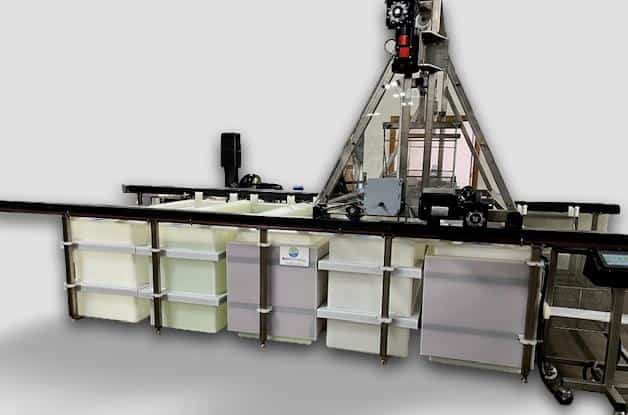
At Best Technology, we specialize in automation systems that streamline metal finishing, cleaning, and coating processes, tailored to precision manufacturing needs.
Practical Use Cases in High-Criticality Metal Finishing
1. Automated Passivation Lines for Stainless Steel Implants
In medical manufacturing, stainless steel orthopedic implants require passivation to remove free iron and enhance corrosion resistance. Automated passivation systems handle hundreds to tens of thousands of parts per day, precisely controlling nitric or citric acid exposure, rinse flow, and tank-to-tank movement. The result: validated, FDA-auditable documentation for every batch.
See more: Automated Passivation Systems for High-Volume Production
2. Electropolishing Lines for Robotic Surgery Components
Electropolishing is highly sensitive to timing, current density, and temperature. Automation eliminates variability by tightly managing these variables across multiple tanks. Robotic transfer systems handle delicate components with minimal contact, reducing contamination risk while ensuring a flawless surface finish.
See more: Semi-Automated Electropolishing Systems for High-Volume Production
3. Chem Film (Chromate Conversion Coating) in Aerospace Subassemblies
Aluminum components used in aerospace electrical enclosures often require chromate conversion coatings for corrosion protection and conductivity. An automated chem film line precisely times exposure, cascading rinse, and drying to meet MIL-DTL-5541 standards, with indexing available for full traceability.
In each case, manufacturing automation enables processes that would otherwise be difficult or impossible to validate consistently at scale.
See more: Automated Chem Film (Alodine) Systems
Benefits and Implementation Considerations: Strategic and Tactical Outcomes
Benefits
- Process Consistency: Every part receives the exact same treatment, regardless of shift or operator.
- Throughput Increases: Parts move continuously through the system with minimal idle time or manual delays.
- Reduced Operator Exposure: Employees spend less time handling chemicals or lifting racks, improving safety.
- Improved Documentation: Automated logs support quality assurance, audits, and root cause analysis.
- Lower Operating Costs: Optimized dosing, heating, and rinse flow reduce chemical and energy waste.
Implementation Considerations
- Initial Investment: Automation systems require upfront capital and thoughtful customization based on your workflow.
- Team Training: Operators and maintenance staff must be trained on new interfaces, safety protocols, and troubleshooting routines.
- Uptime Planning: Preventive maintenance and contingency protocols are key to keeping production moving.
- Systems Integration: Automation should align with existing QA systems and regulatory documentation needs.
Understanding these considerations early in the process ensures a smoother transition—and greater confidence that your investment will deliver the ROI, throughput, and compliance advantages automation is designed to achieve.
Closing Insight: What’s Next in Process Automation?
The future of process automation in surface finishing is shaped by smarter integration, adaptive systems, and data-driven decision-making.
Process automation, and the automation systems that support it, are not about replacing people. They equip teams with tools to deliver consistent quality, scale operations, and apply human expertise where it matters most.
As engineering leaders look ahead, the question isn’t whether to automate. It’s where, how, and how fast.

Let’s Automate Your Process – Contact Best Technology Today
Not sure where to start? Best Technology’s team of automation experts is here to guide you through the entire process—from system selection to implementation. Let’s discuss how automated finishing systems can transform your passivation, chem film, electropolishing, ultrasonic cleaning or anodizing processes.
📞 Call us at (612) 392-2414 or Request a Consultation today!

 612.392.2414


